.svg)
Client
Self-Initiated Project
Project
Locco
Project Overview
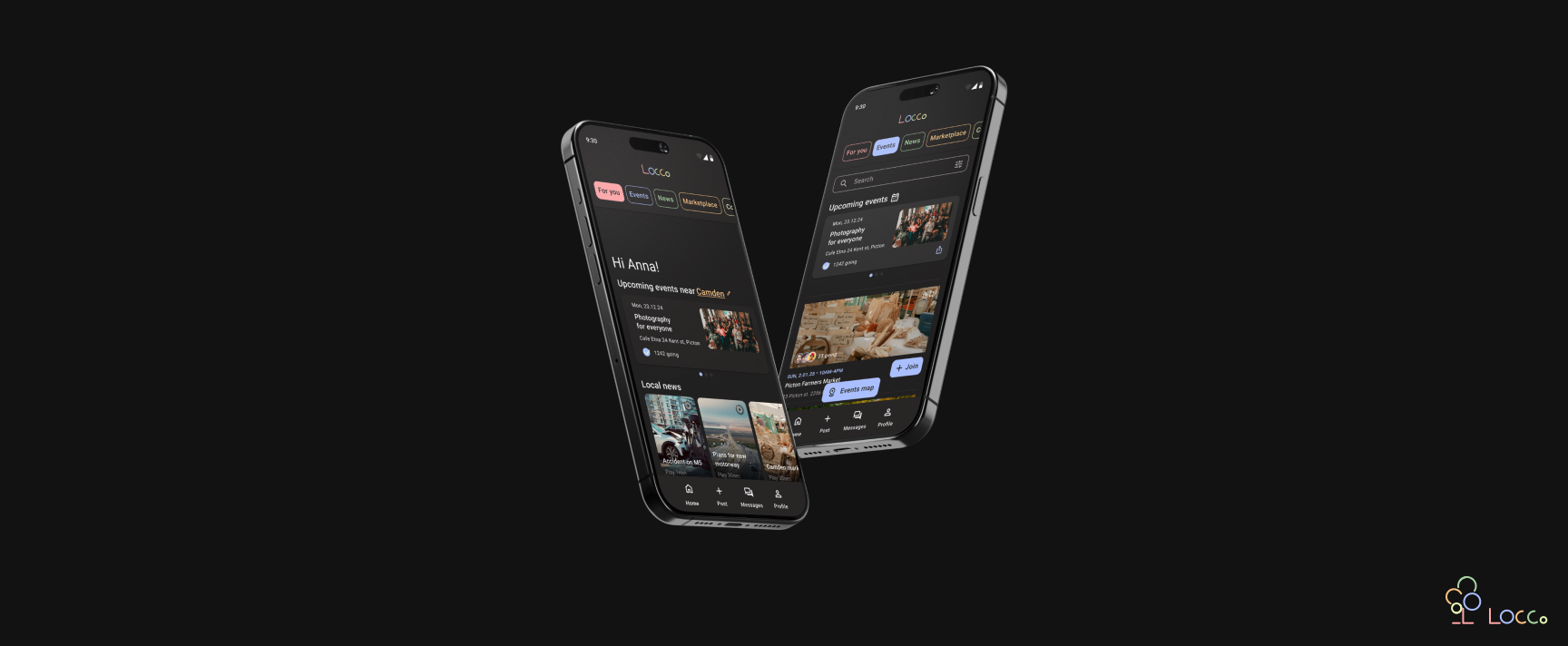
LOCCO is a self-initiated mobile app concept designed to reconnect locals and neighbours through a shared, neighbourhood-focused digital platform. I created the UX, UI, and brand design from scratch, focusing on local news, events, a marketplace, and community interaction to encourage real-world engagement and support local businesses.
Role
• UI Designer • UX Designer • Brand Designer
Tools
• Figma • Illustrator • Google Forms
Problem Statement & Goals
Local communities today are increasingly disconnected. Many people don’t know what’s happening in their own neighbourhoods, and neighbours often remain strangers to one another. We are facing an epidemic of loneliness, where individuals feel isolated despite living in close proximity to others. This lack of connection leads to reduced community participation, limited support for local businesses, and a weakened sense of belonging.
The goal of LOCCO is to reconnect neighbours and empower communities through a trusted digital platform that encourages local engagement, supports small businesses, and brings people together through shared interests, events, and meaningful interaction.


Problem & solutions
Local news, events, and recommendations are spread across multiple platforms, making it hard for neighbours to stay informed or engaged in their community.
LOCCO brings local news, events, marketplace listings, chats, and community boards into one trusted, location-based platform.
People living in the same area often feel disconnected, resulting in poor attendance at local events and weak neighbourhood relationships.
The app encourages participation through community posts, event discovery, and interest-based interaction rather than passive scrolling.
Small local businesses struggle to reach nearby customers without relying on expensive or ineffective advertising channels.
LOCCO gives local businesses targeted visibility within their neighbourhood through listings, promotions, and event features.
Project Stages
1. Research & Problem Definition
I identified the fragmentation in local community platforms and defined the opportunity to create a trusted, hyper-local digital space.
2. Strategy & Concept Development
I developed personas, user scenarios, and clarified the value proposition and business goals.
3. UX Structure & Wireframing
I structured the information architecture, mapped user flows, and created mobile-first wireframes.
4. UI Design & Branding
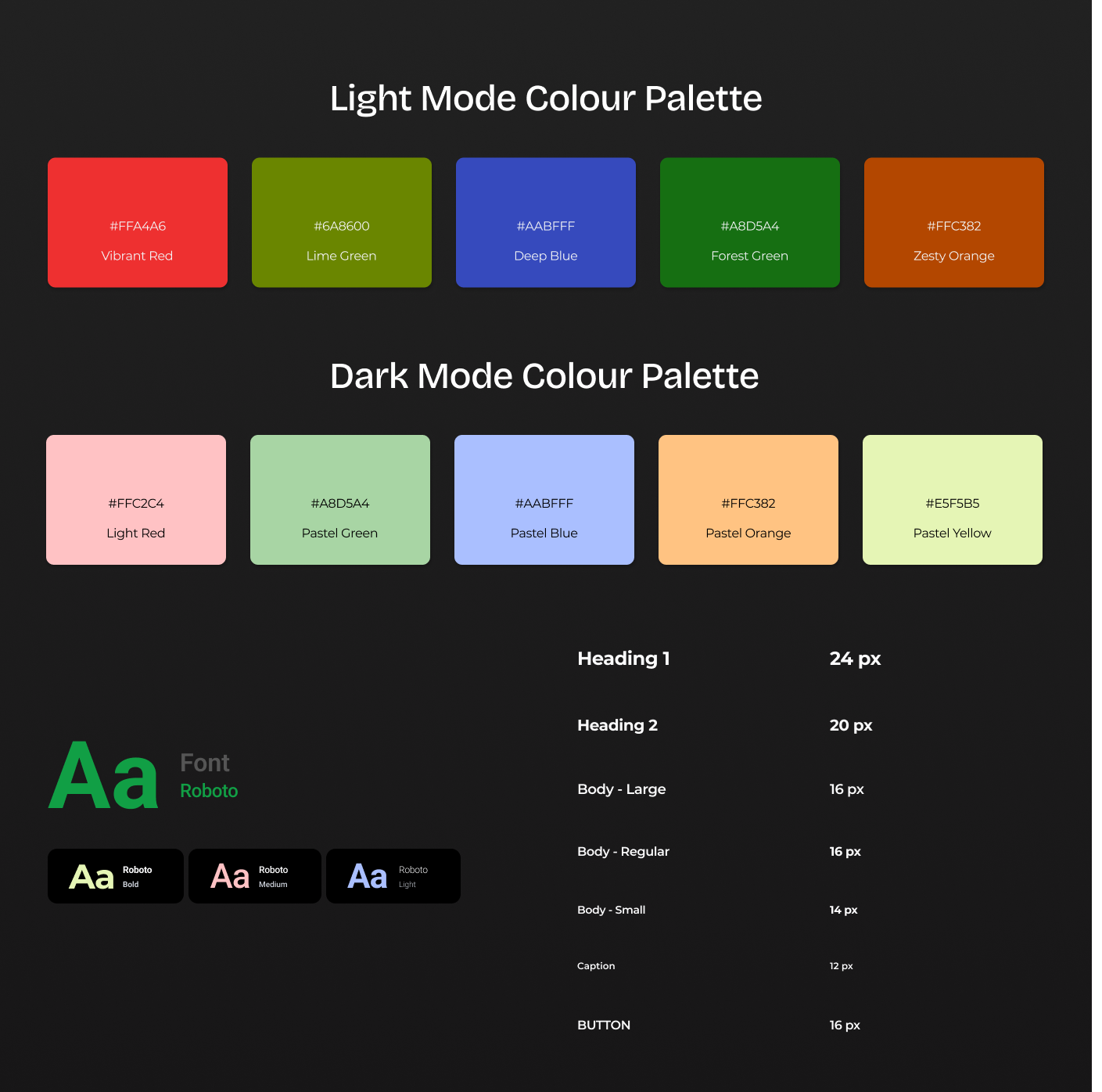
I designed the visual identity, built a consistent component system, and developed high-fidelity screens.
5. Prototyping & Refinement
I created an interactive prototype, tested key user journeys, and refined usability.
6. Final Presentation & Business Vision
I delivered a complete product concept supported by a clear scalability and monetisation strategy.


Locco Branding
LOCCO was inspired by the idea that strong communities grow like trees do sharing the same land. The brand identity reflects connection, growth, and belonging. The wordmark uses soft, rounded letterforms to feel approachable and playfull. Each letter carries a different colour, representing diversity within a shared space.
The tree icon version abstracts the letters into a connected symbol. It visually communicates:
- Growth
- Community support
- Local identity
- Organic expansion
The logo works both as a playful brand mark and a simplified app icon.

Figma Prototype
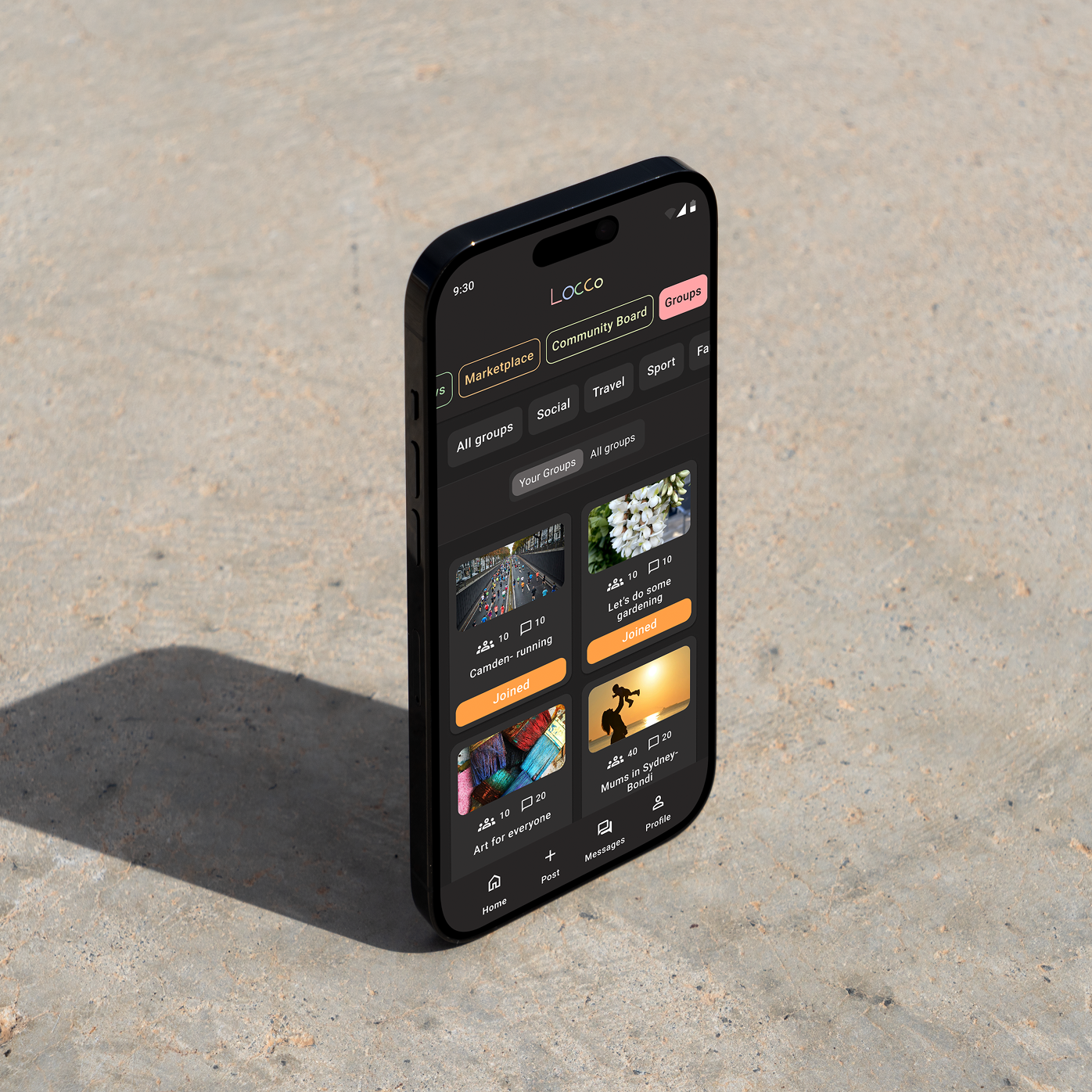
I created a high-fidelity prototype in Figma to bring LOCCO to life and test the full user experience. I designed key screens across core features including the home feed, marketplace, community board, groups, events, and map view, ensuring consistent navigation and interaction patterns throughout. The prototype allowed me to simulate real user flows such as posting an item, joining a group, or viewing local alerts and refine usability, hierarchy, and accessibility. Building the system in Figma also helped me establish a reusable component structure, making the interface scalable and design decisions more intentional.

Final outcomes
With LOCCO, I created a simple, structured platform that brings local events, community posts, and small businesses into one connected space. My goal was to make neighbourhood interaction feel natural and easy, not overwhelming or fragmented. Through this project, I learned how to turn a broad idea about community connection into a clear product structure, build a consistent design system, and think strategically about how user experience and business goals need to work together.