.svg)
Client
Self-Initiated Project
Project
INDES - creative space for designers
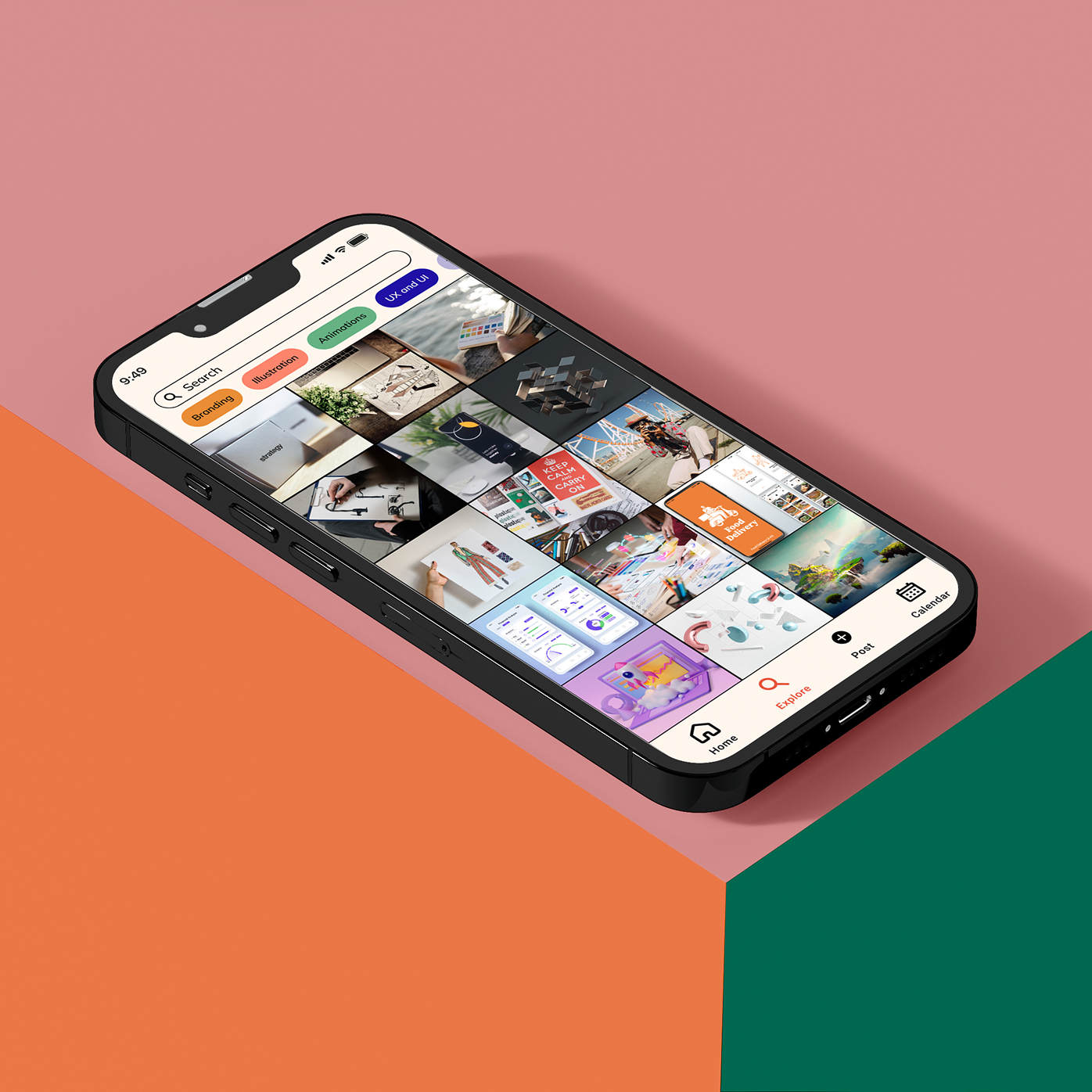
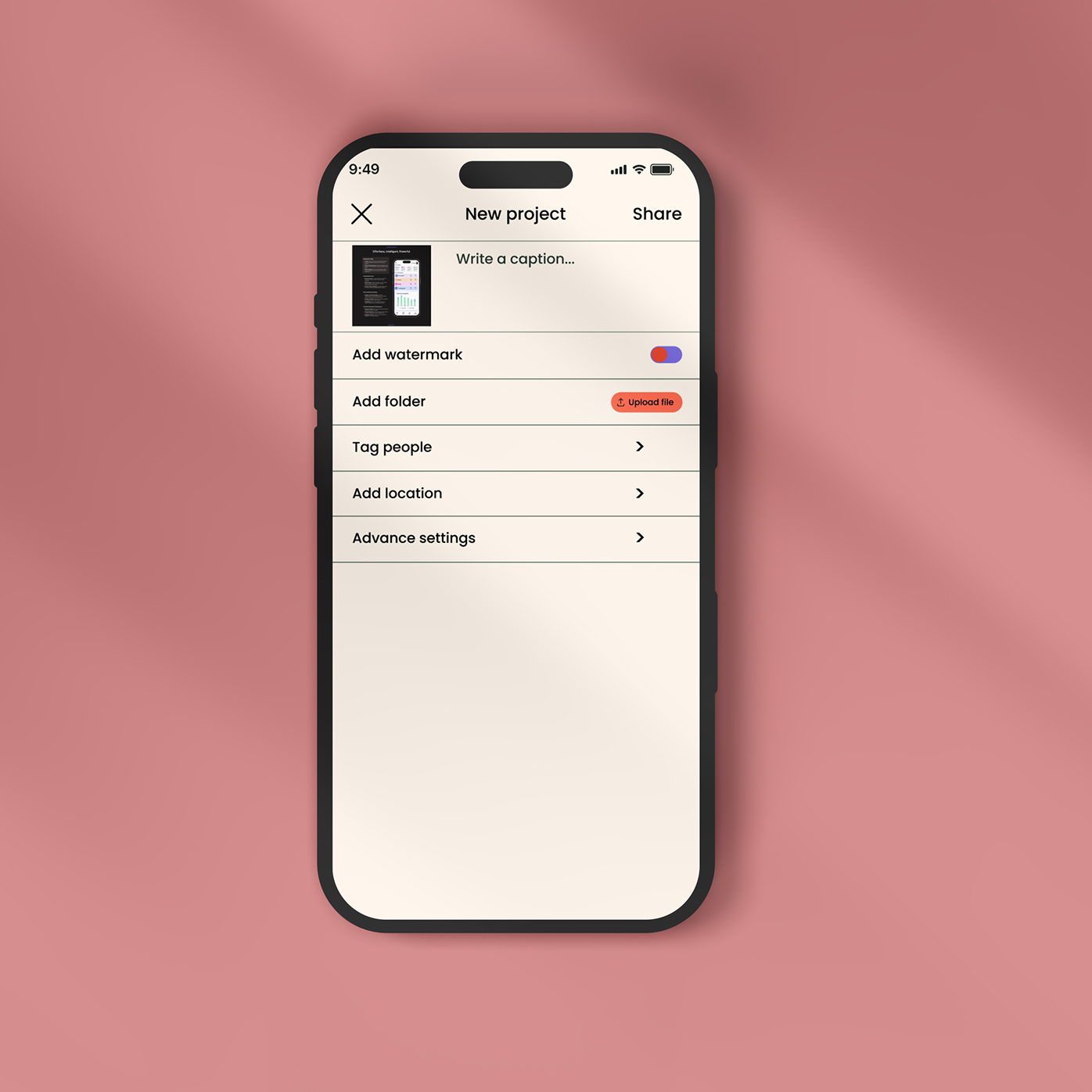
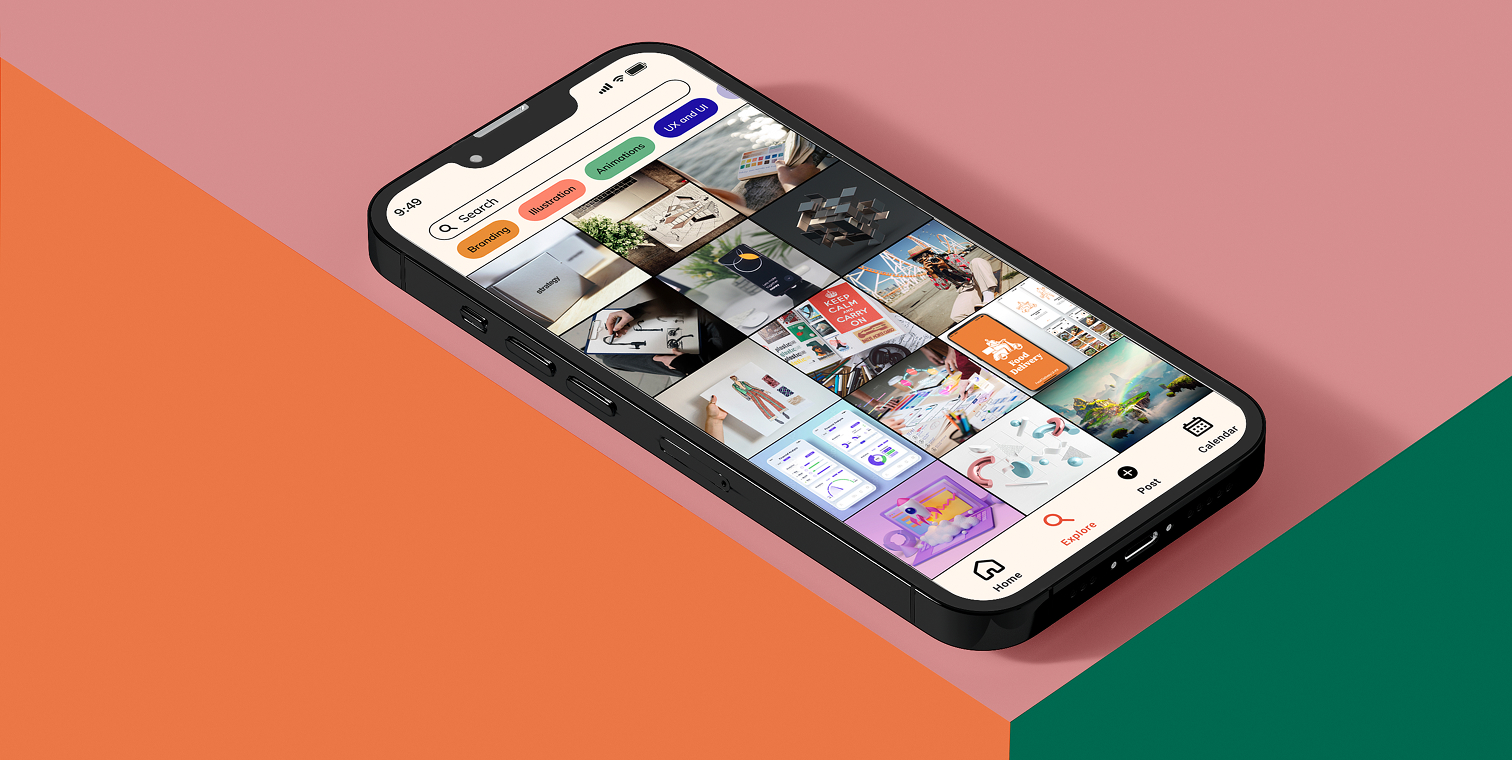
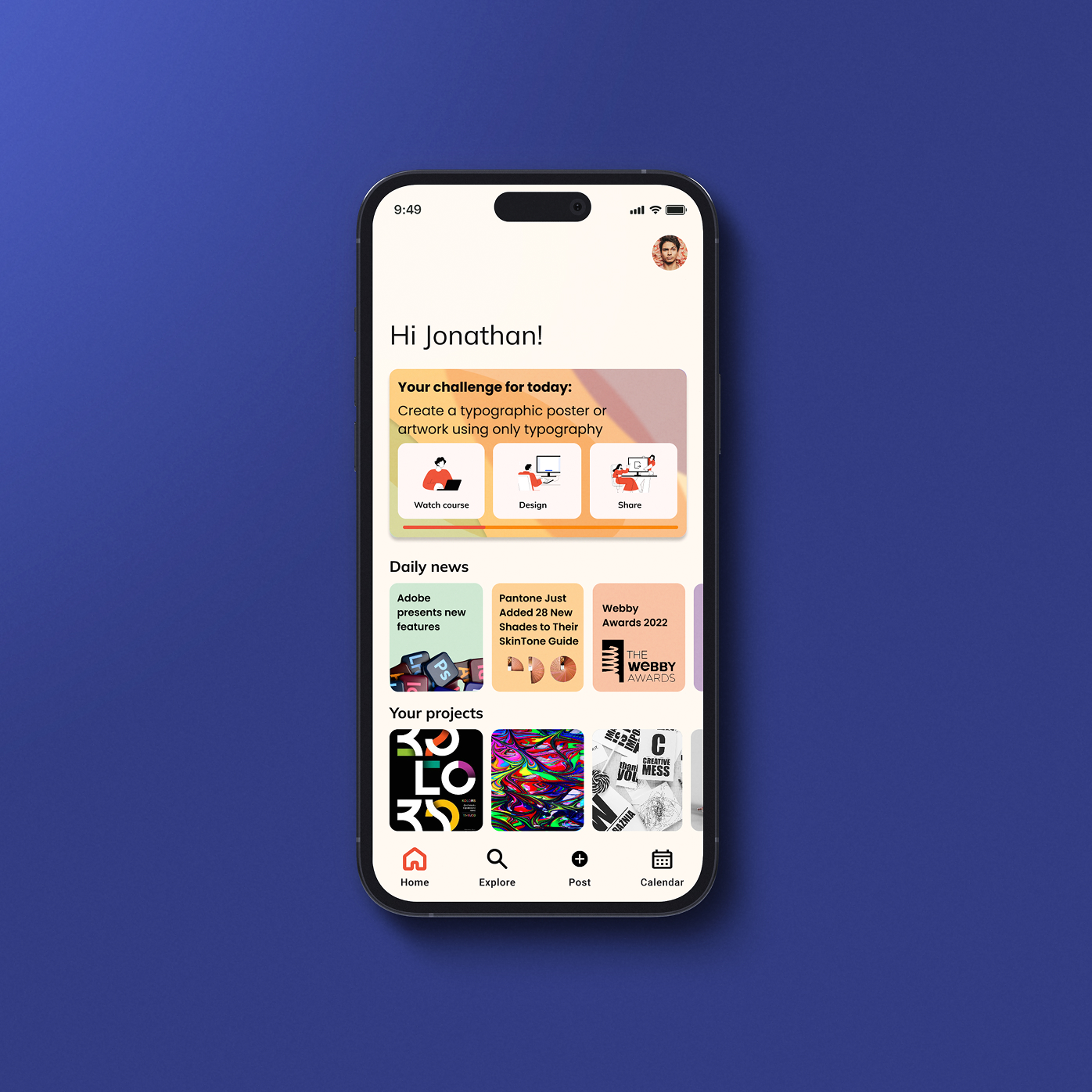
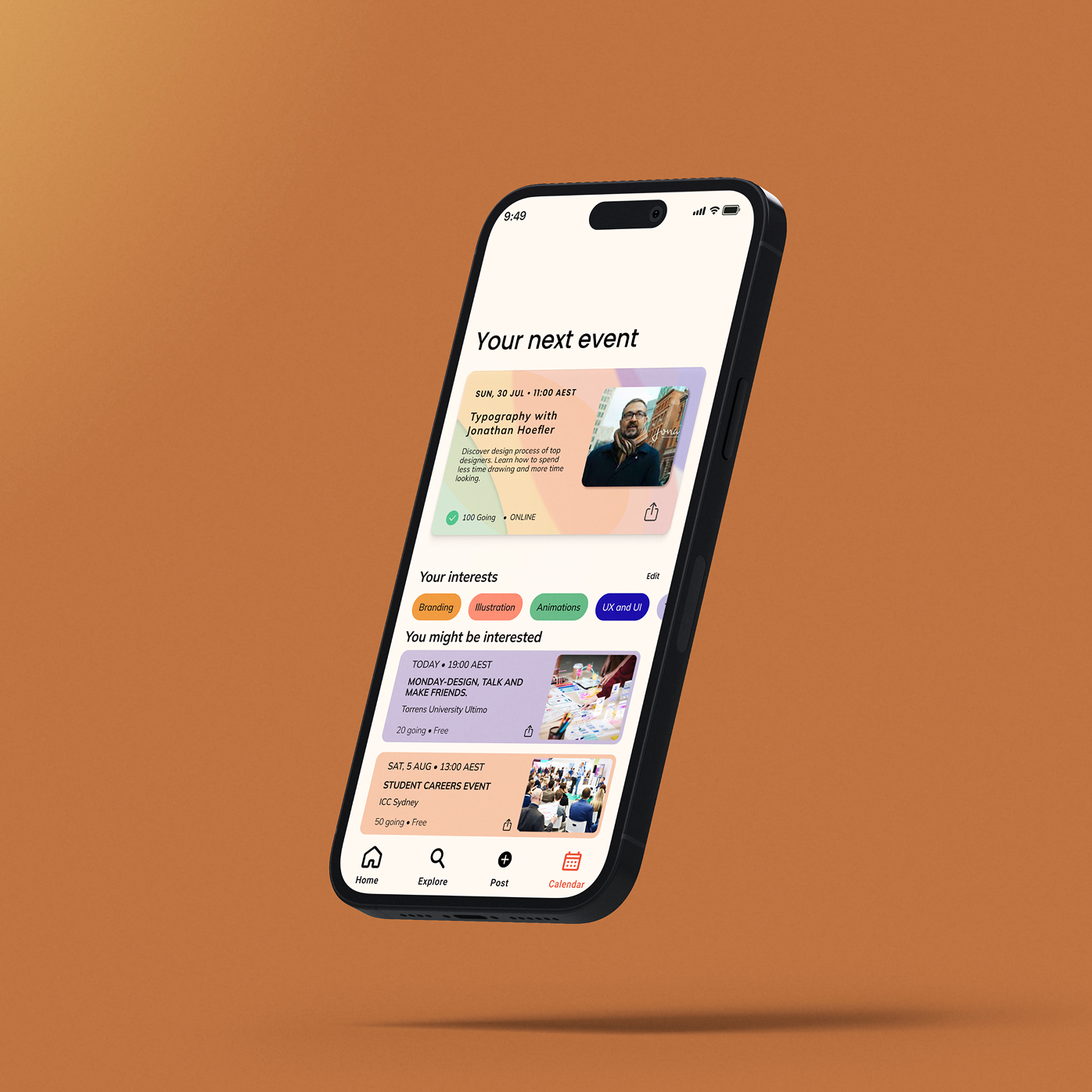
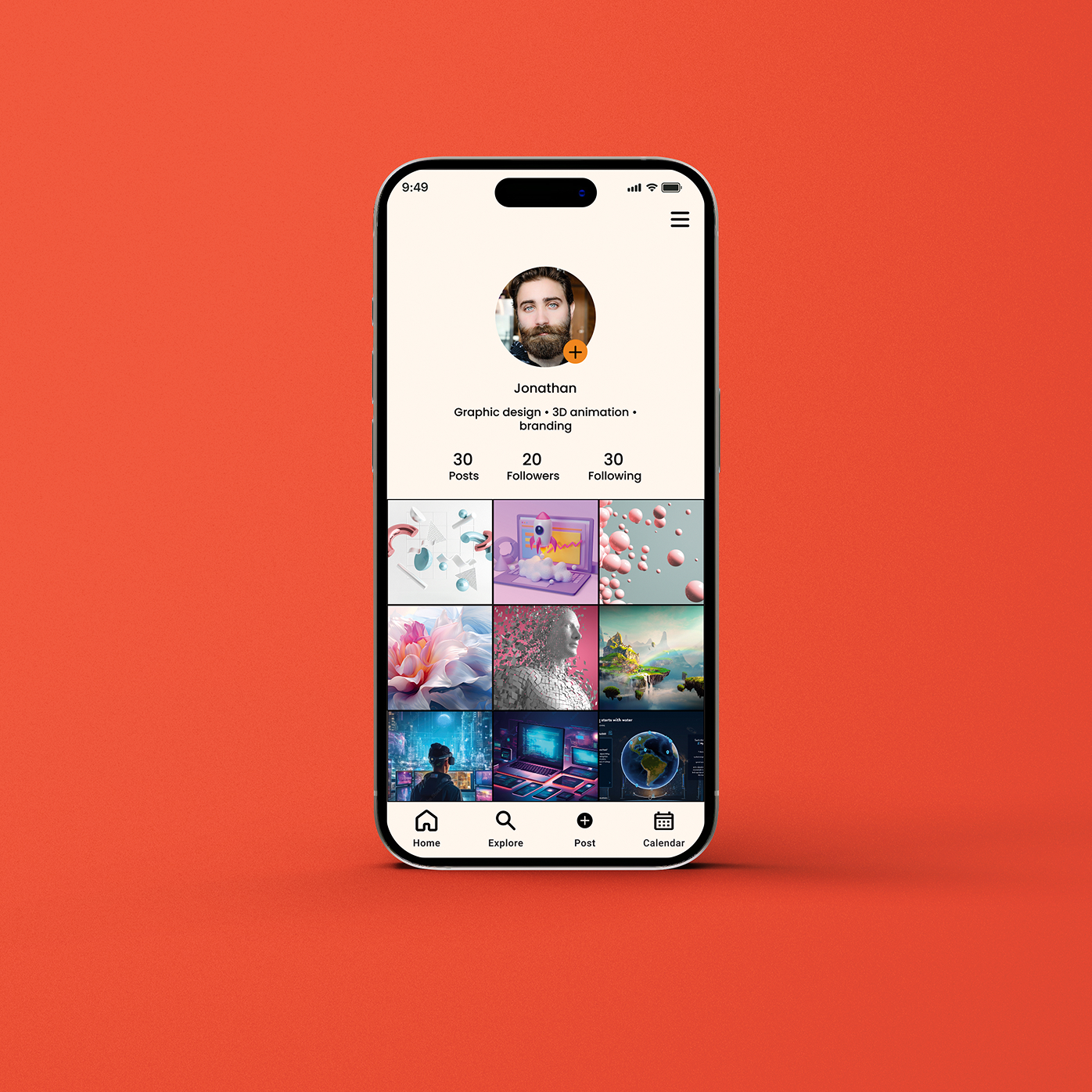
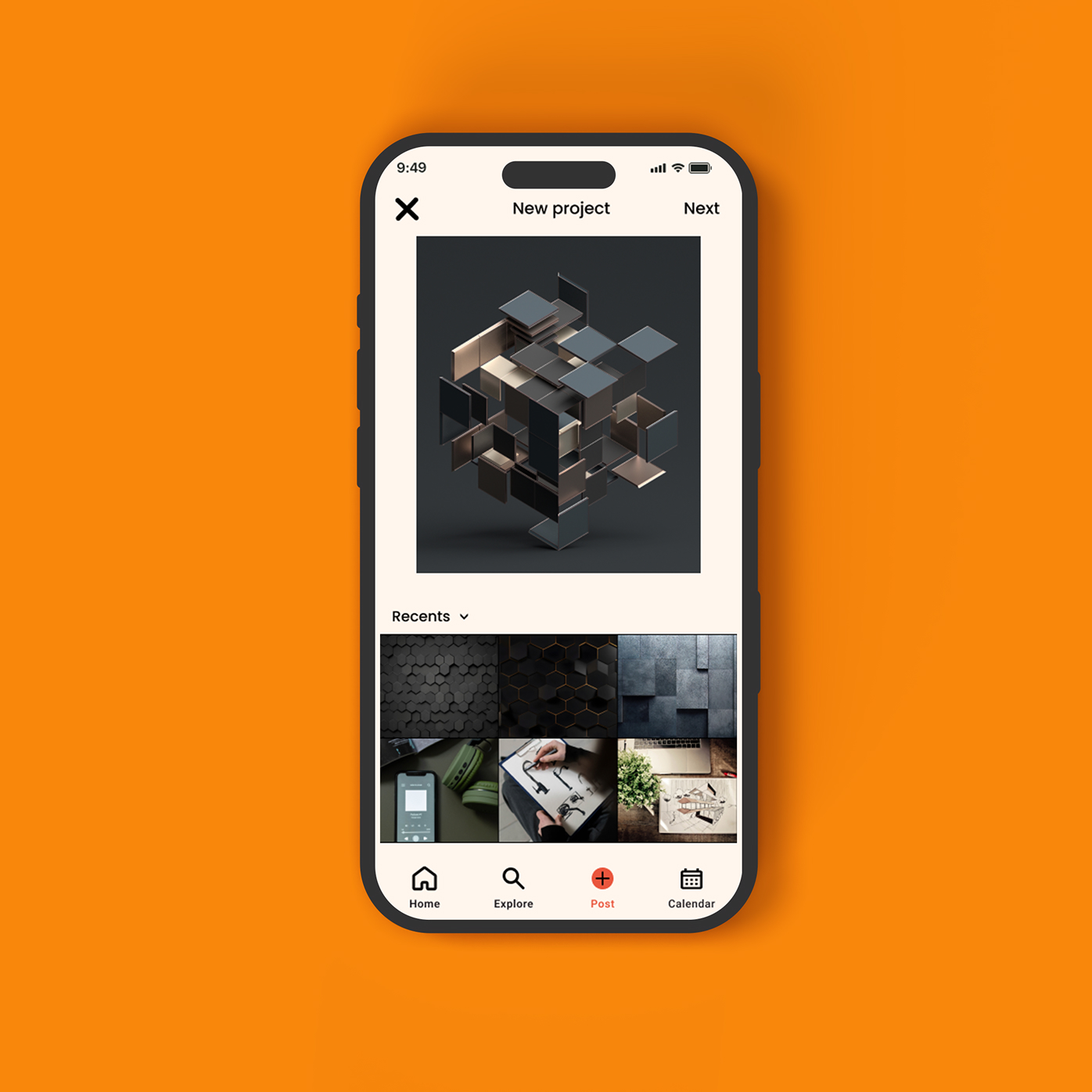
INDES is a mobile app for designers. Focused on design-related content such as daily news from the design world, short courses, events for designers, chats, and portfolio showcases.
The mobile app aims to connect designers and create a platform that would reduce procrastination by encouraging users to take short courses, participate in events and meet people with the same interest.
Role
• UX Designer • UI Designer • Brand Designer • Researcher
Tools
• Figma • FigJam • Google Forms • Illustrator
Problem Statement & Goals
Designers, especially beginners, often struggle with distraction from social media, reduced productivity, insecurity, and a lack of constructive feedback, making it difficult to focus on creative growth and build professional confidence. The goal of INDES was to create a dedicated, distraction-free platform that supports meaningful collaboration, structured feedback, and professional visibility, helping designers stay focused, develop their skills, and grow within a supportive creative community.
Problem & solutions
Social Media Reduces Creative Focus
Designers experience distraction, procrastination, and reduced productivity due to endless scrolling and algorithm-driven content.
Create a focused, ad-free creative platform that prioritises portfolios, projects, and meaningful interaction over endless feeds and vanity metrics.
Social Platforms Distract Creatives
Conversations revealed that social media interrupts workflow and makes it harder to concentrate on creative tasks.
Design INDES as a purpose-built professional space with structured discovery tools, curated content, and intentional networking instead of passive scrolling.
Beginner Designers Face Insecurity & Overwhelm
Many beginners struggle with impostor syndrome, tech changes, information overload, and lack of constructive feedback.
Introduce mentorship features, guided feedback systems, and structured community support to build confidence, reduce overwhelm, and encourage skill development.
Project Stages
1. Understand
Identify the core problem, speak with designers or stakeholders, conduct primary and secondary research, and analyse competitors.
2. Empathise
Gather user insights through interviews and surveys, and observe real-world behaviour and environments.
3. Define
Clarify goals, challenges, and user needs. Establish the mission statement, apply a human-centred approach, and define the target audience.
4. Ideate
Generate ideas using mind maps and sketches. Develop information architecture, low-fidelity prototypes, and map user flows.
5. Prototype
Create the style guide, design high-fidelity screens, build interactive prototypes, refine interactions, and develop micro-animations and visuals.
6. Evaluate
Collect feedback, improve the prototype based on insights, and reflect on key learnings.


Target audience
INDES targets creative individuals who rely on digital platforms for inspiration, networking, and showcasing their work. This includes both full-time agency designers and freelance creatives who work remotely or travel frequently. The audience values creativity, professional growth, collaboration, and meaningful industry connections, but struggles with distraction, insecurity, and limited constructive feedback on traditional social platforms.
Ideal Customer
The ideal customer is a motivated designer who wants a focused, professional environment to share work, receive quality feedback, connect with other creatives, and grow their skills without the noise and distraction of mainstream social media. They are career-driven, open to collaboration, and actively seeking improvement and visibility within the design industry.

Style-guide
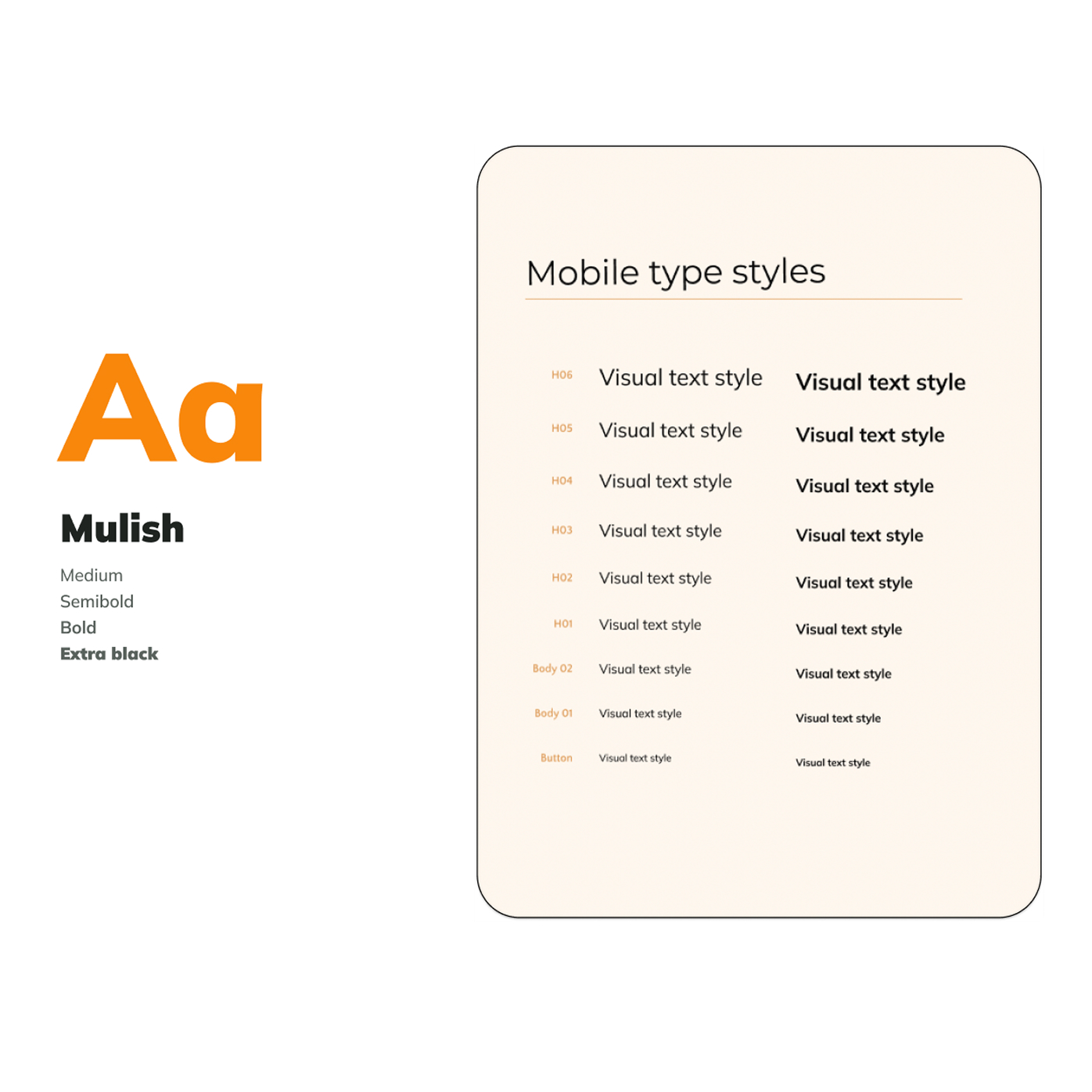
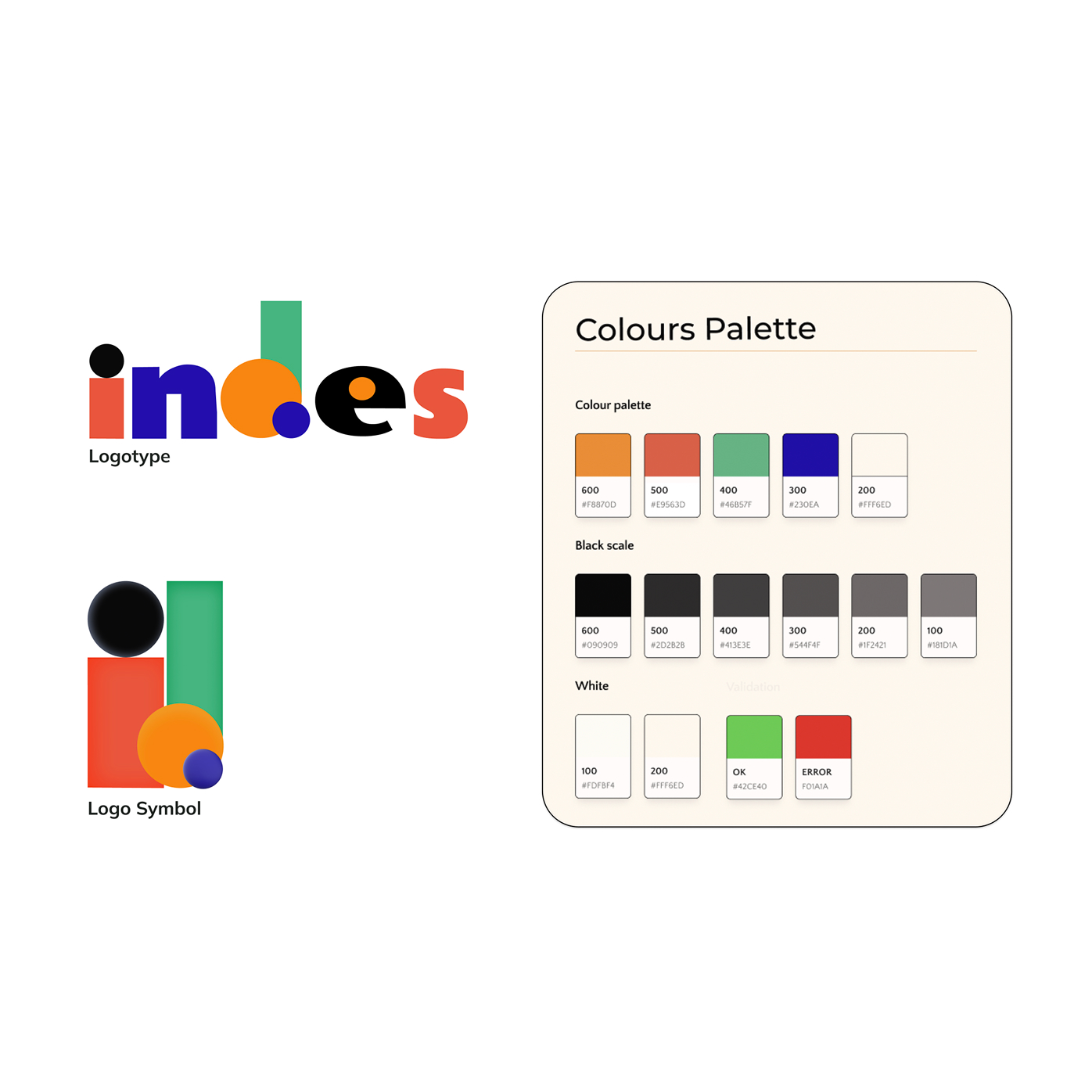
The idea behind the INDES style guide was to reflect creativity without chaos. Since the platform is built for designers, the visual system needed to feel expressive and bold, but still structured and professional.
The colour palette uses strong, contrasting tones to represent diversity within the creative industry, while geometric shapes reinforce modularity and connection. Typography was chosen to balance personality with clarity, ensuring the interface feels modern yet readable.
Final outcomes
While Creating INDES I realised how easily platforms can become distracting if the experience isn’t intentionally focused. That pushed me to think more critically about user behaviour, attention, and cognitive load.
I also strengthened my skills in defining a clear problem, building personas from real frustrations, and translating abstract ideas like “confidence” and “community” into concrete UX decisions and visual systems. Most importantly, I learned that strong strategy always comes before aesthetics — not the other way around.