.svg)
Client
Torrens University
Project
FlexPost
Overview
FlexPost is a flexible delivery service for Australia Post that reduces missed parcels and long queues. It lets users choose delivery times, track couriers in real time, and manage parcels through an app, making delivery fit real life instead of the other way around.
Role
• Research & Strategy • UX & UI • Communication & Marketing
Tools
• Figma • Photoshop • Illustrator • Google Forms • Maze
Problem Statement & Goals
Australia Post is struggling to meet the on-demand, flexible delivery needs of modern consumers. Current services don't align with how people live, work, and shop in 2025 - especially those expecting real-time tracking, flexible delivery, and digital-first experiences.
To remain competitive, the business aims to reduce missed deliveries, improve customer satisfaction, grow parcel revenue, attract small businesses, and modernise its logistics network through scalable, technology-driven services.
Problem & solutions
Problem
Many customers are not home during standard delivery hours, resulting in repeated “missed delivery” cards and failed attempts. This forces users to rearrange work and personal schedules to collect parcels. It increases frustration, delivery costs, and reduces trust in Australia Post.
Solution
FlexPost allows customers to choose delivery windows, including evenings and weekends. This increases the chance that someone is home when the parcel arrives. It reduces failed deliveries and improves overall efficiency.
Problem
Most post offices close by 5 PM and after-hours lockers are limited. Full-time workers and small business owners struggle to collect parcels on weekdays. This leads to lost productivity, stress, and reliance on private couriers.
Solution
FlexPost expands access through 24/7 smart lockers, residential parcel boxes, and local pickup points. Crowd-delivery drivers enable flexible drop-offs outside business hours. Customers can collect parcels anytime without visiting post offices.
Problem
Customers often lack clear, real-time information about where their parcels are. Tracking updates are delayed, vague, or difficult to understand. This creates uncertainty and anxiety around important deliveries.
Solution
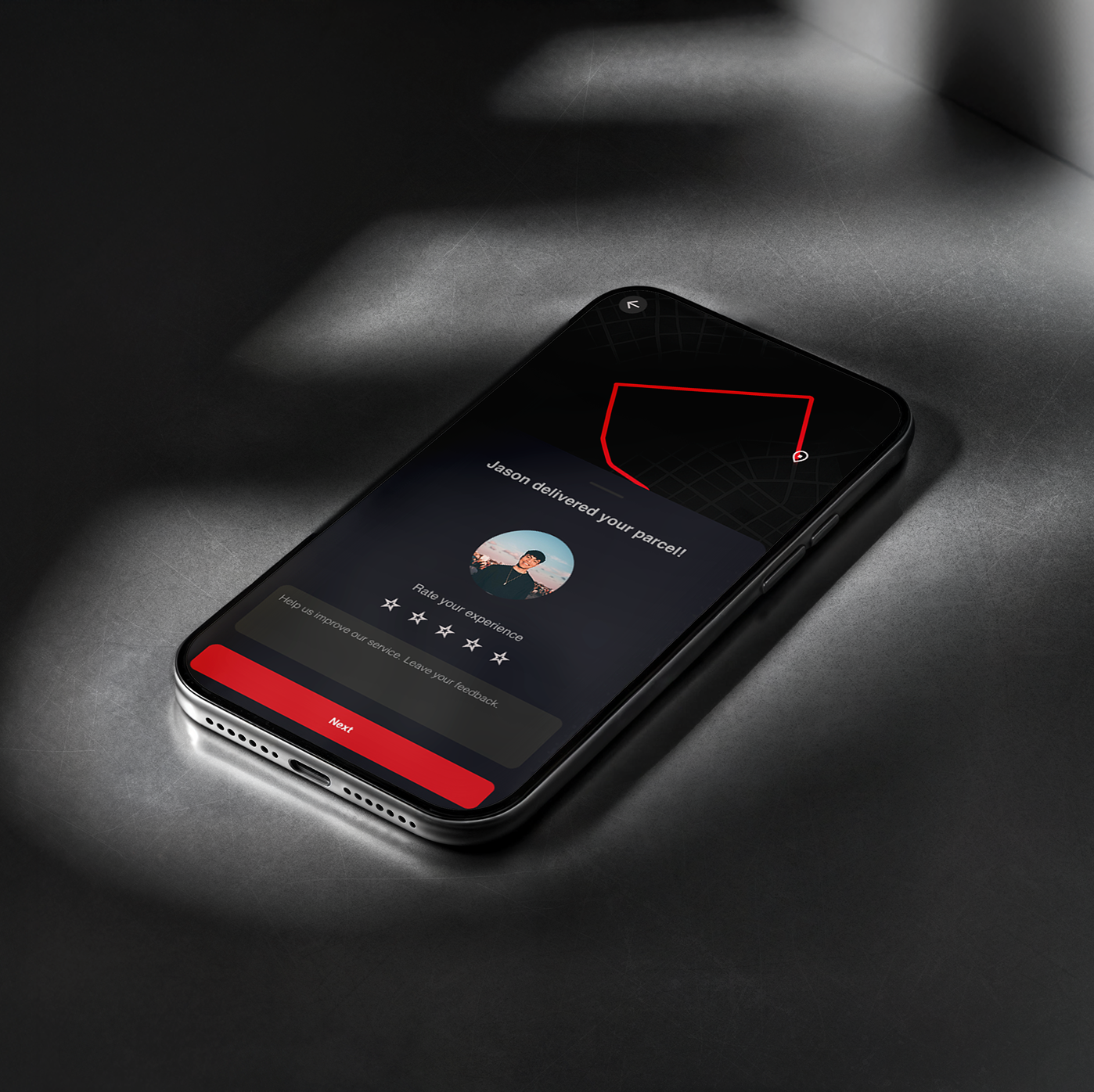
FlexPost provides live courier maps and instant notifications. Users receive accurate ETAs and alerts about delays or changes. This improves transparency, customer confidence, and service reliability.
Project Stages
1. Research
Analysed the existing parcel delivery experience, identified missed-delivery pain points, reviewed competitors, conducted secondary research, and mapped the current Australia Post journey.
2. Problem Definition
Synthesised insights, defined core frustrations, established the problem statement, and framed a clear “How Might We” opportunity.
3. Concept Development
Generated and evaluated ideas, selected FlexPost as the final concept, defined key features, and built the value proposition.
4. UX Strategy
Created personas, scenarios, user flows, journey maps, information architecture, and a service blueprint.
5. UI & Prototype
Designed brand identity, mobile-first high-fidelity screens, reusable components, and built an interactive Figma prototype.
6. Communication
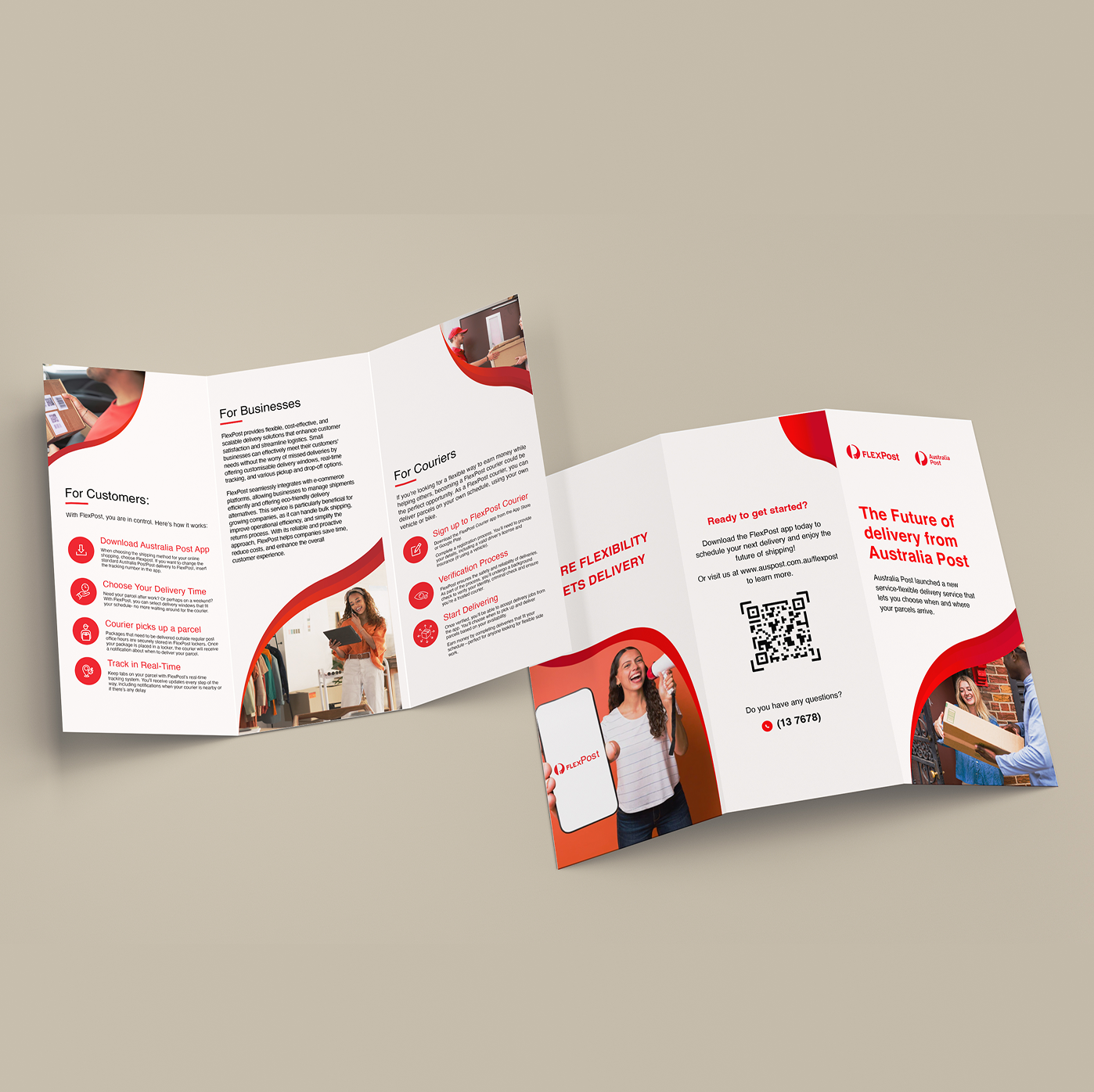
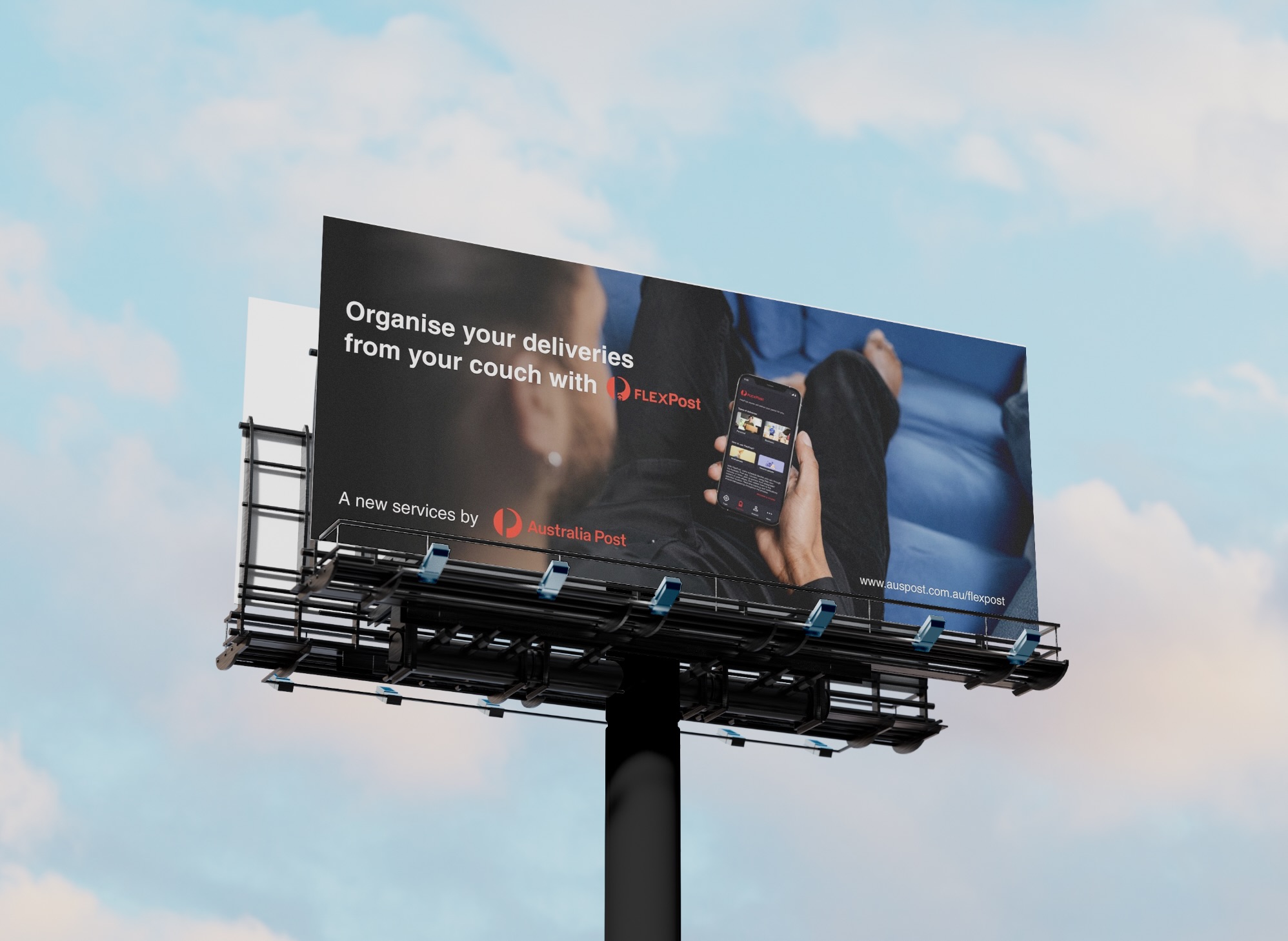
Developed marketing assets and delivered the final pitch with clear positioning and value.

FlexPost Branding
Design Stages
• Logo Sketches
• Moodboards
• Design Concept
• Wireframes
• UI Design
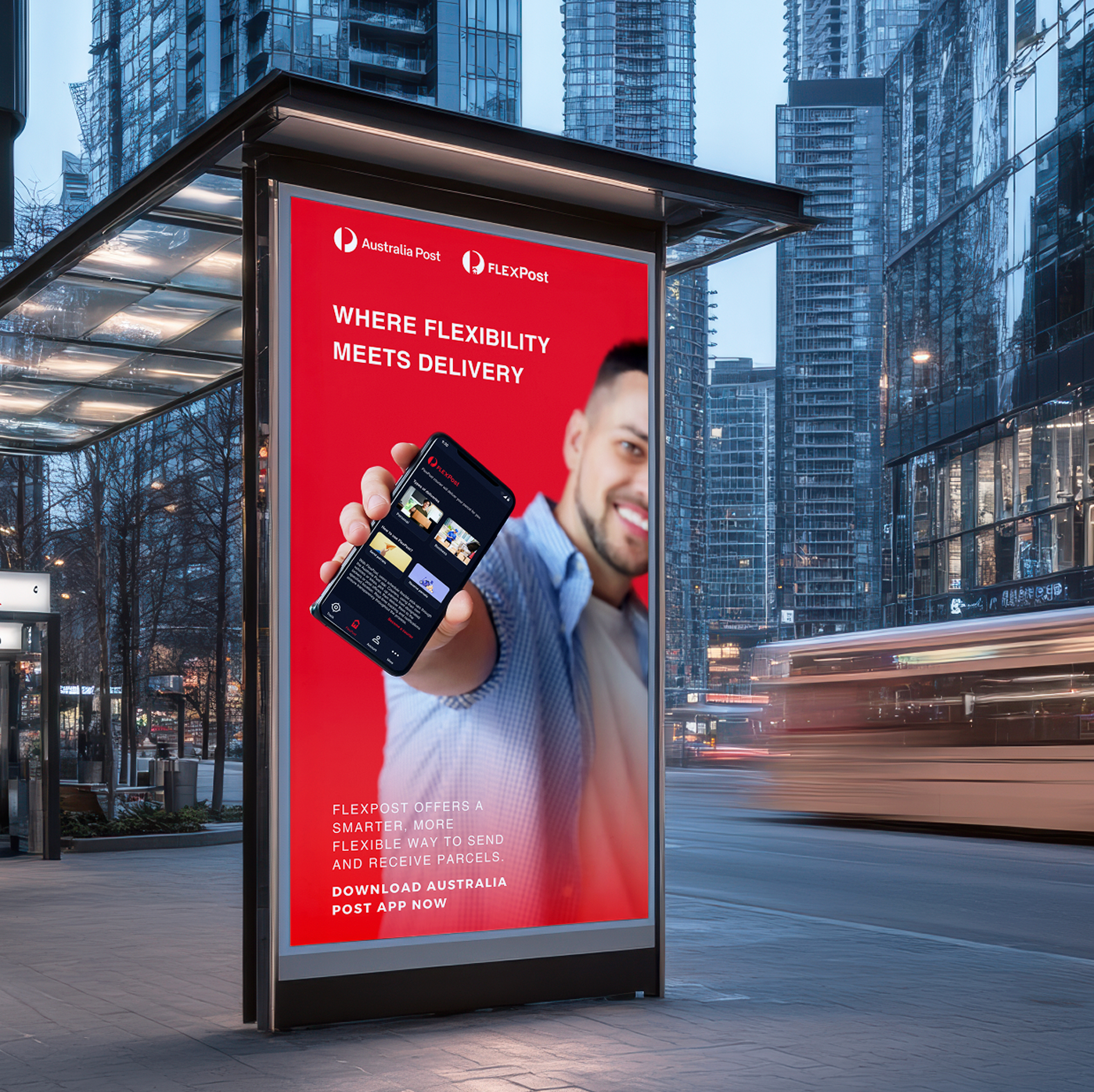
The FlexPost logo and brand identity were designed to align closely with Australia Post’s existing visual system while introducing a more modern and flexible feel. The familiar red, white, and black colour palette reinforces trust and brand recognition, while the subtle house icon represents reliable home delivery. The overall identity focuses on clarity, simplicity, and consistency, supporting FlexPost’s position as a user-friendly, digital-first service built for modern lifestyles.

UI design
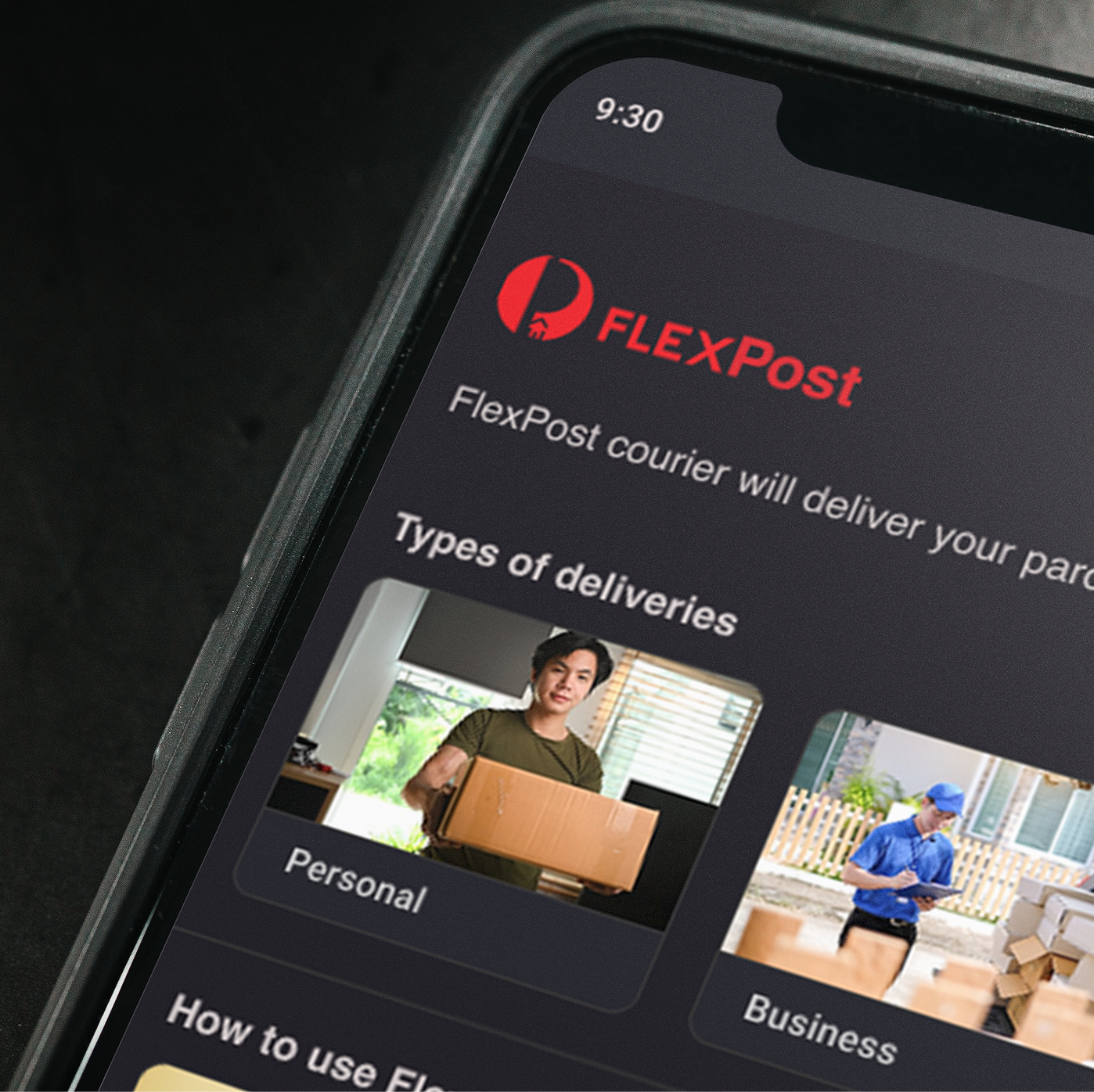
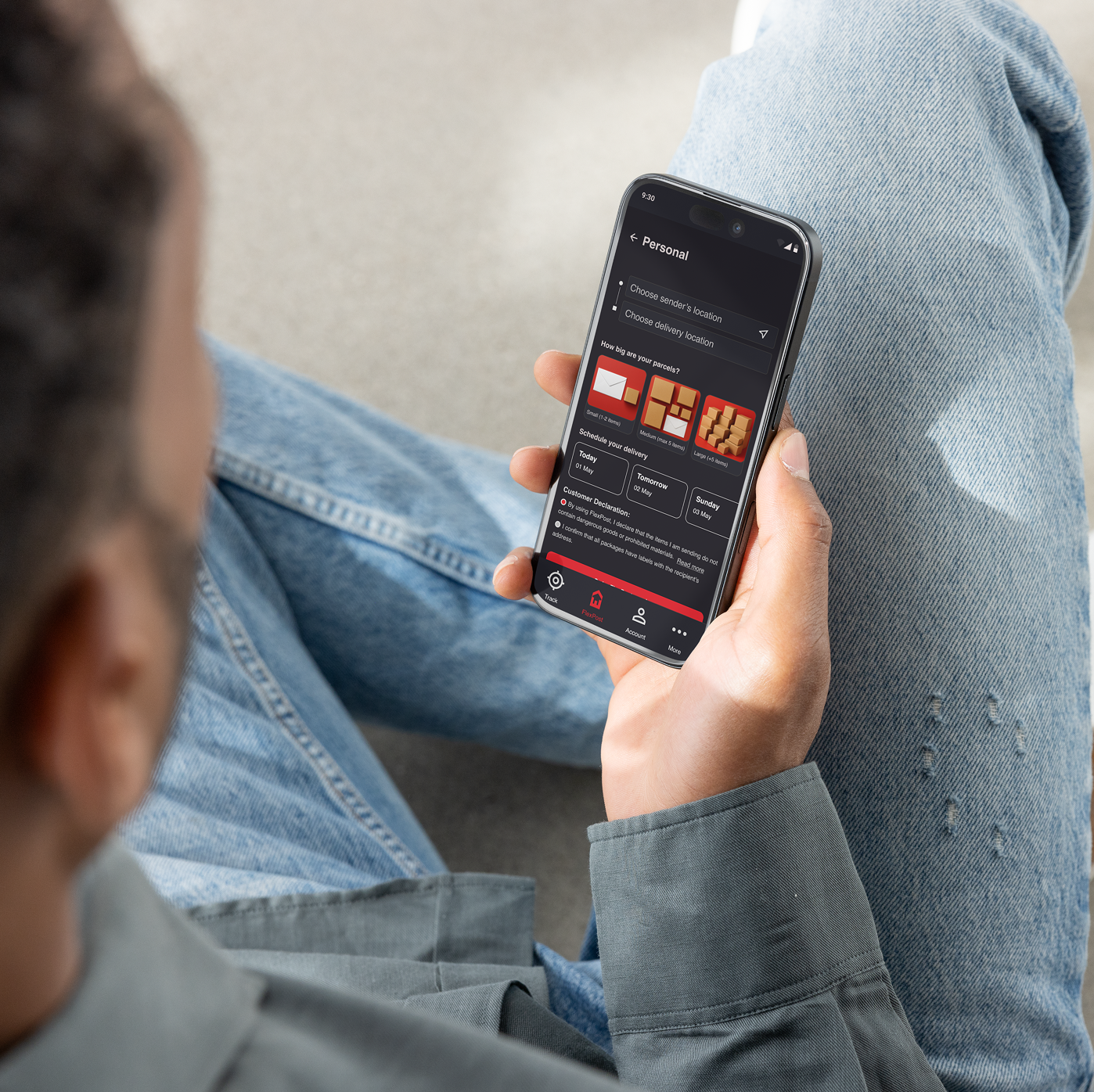
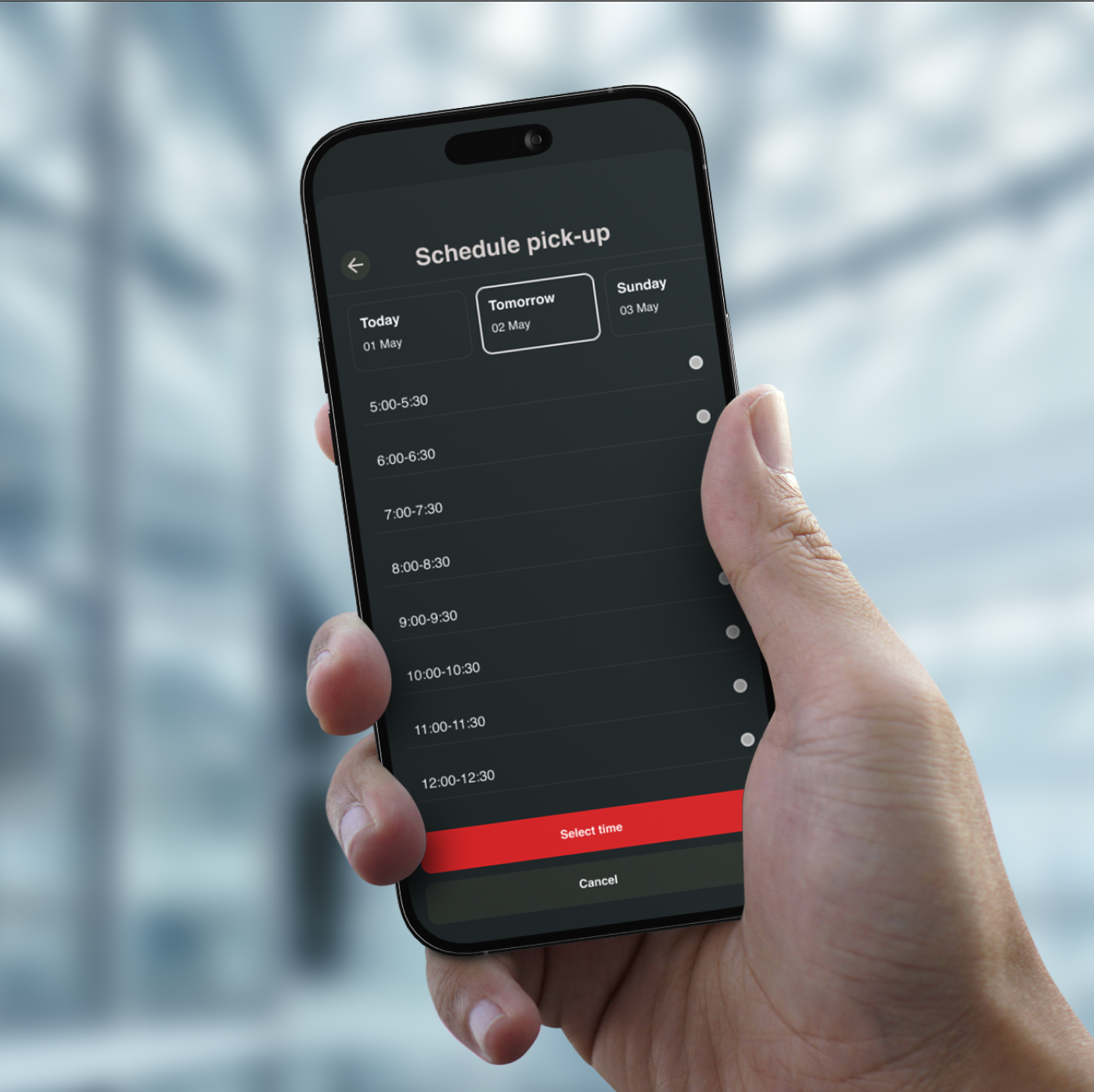
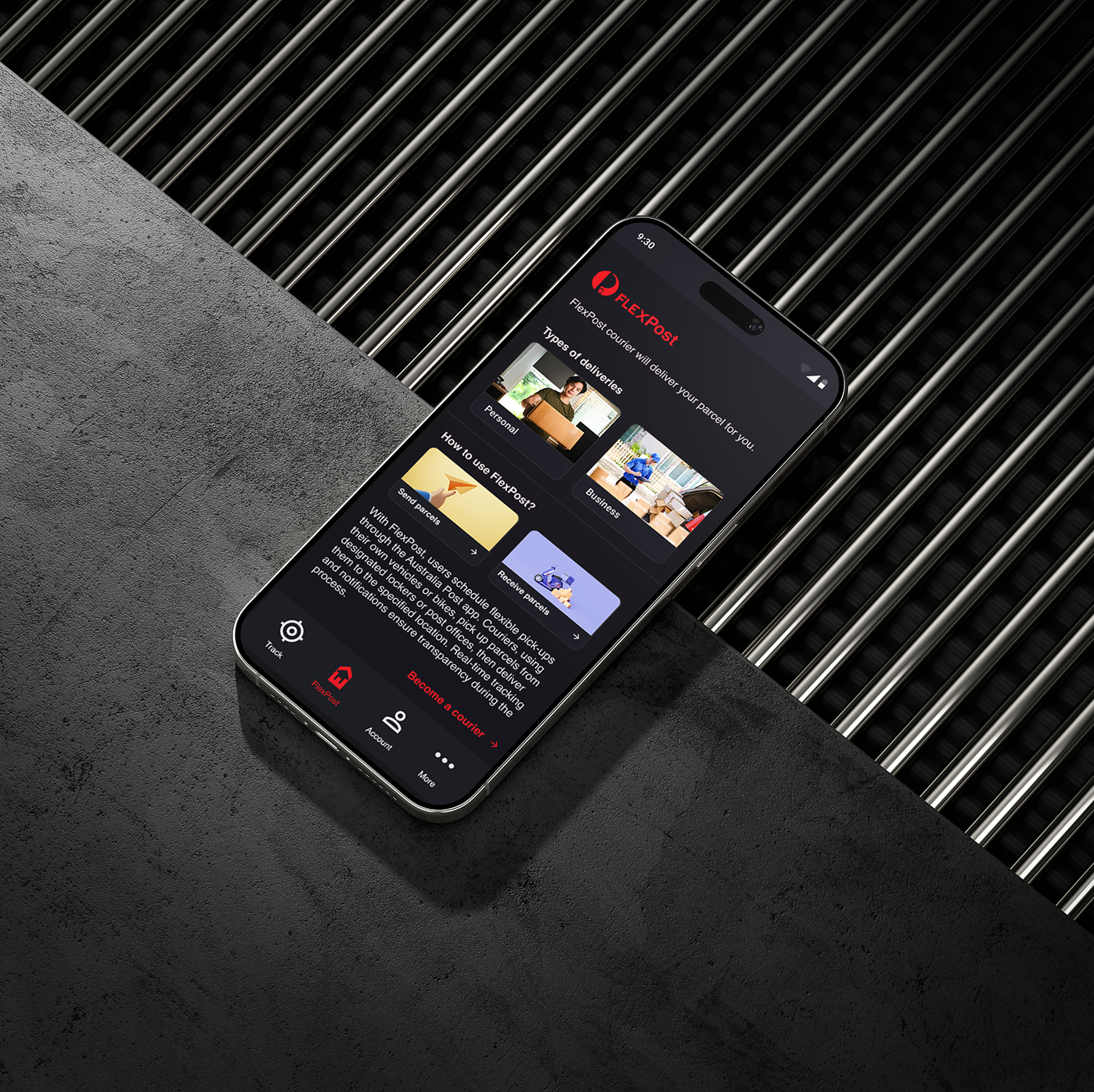
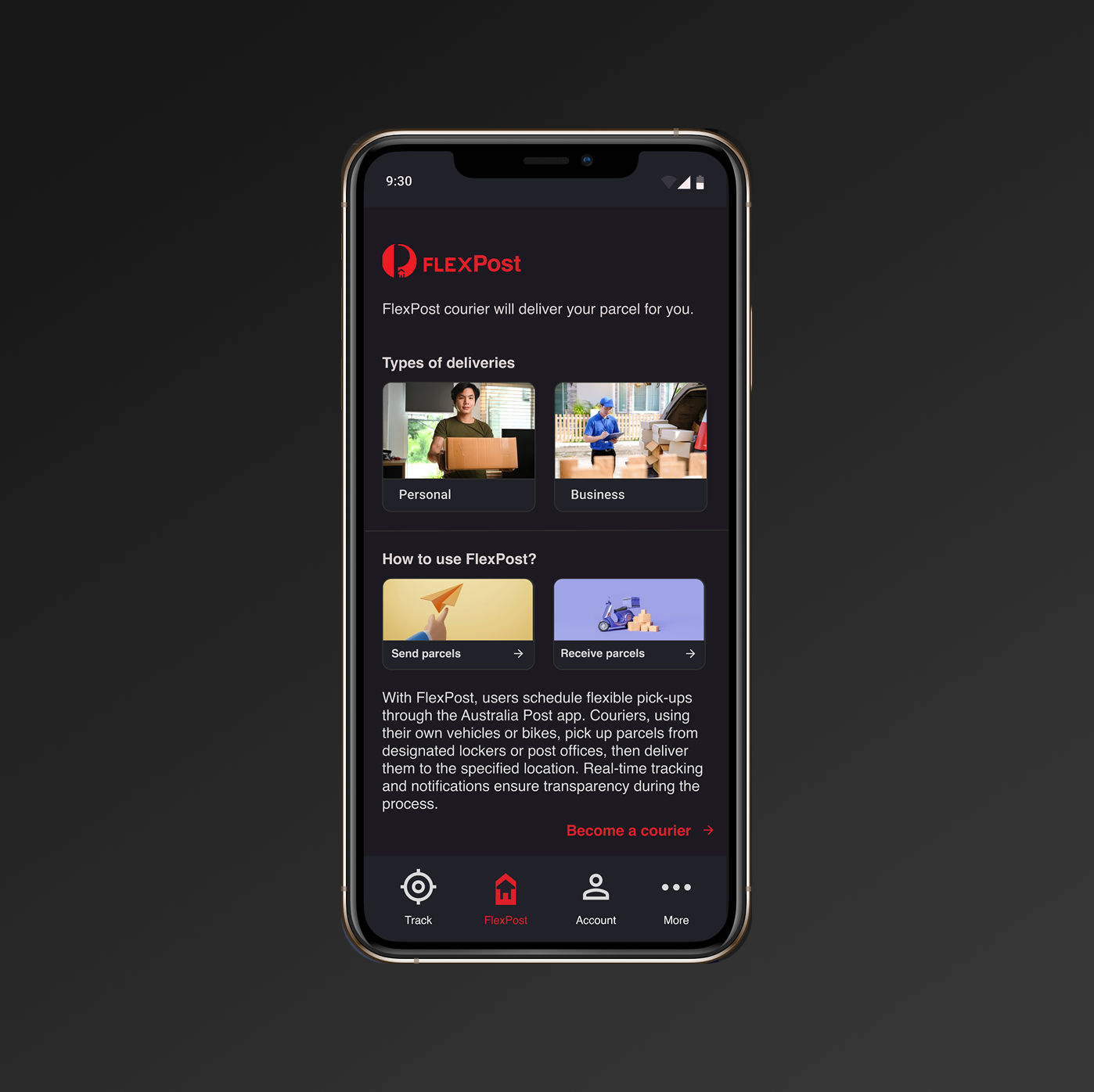
The UI design stage focused on turning the FlexPost concept into a clear, practical, and visually consistent interface. Screens were designed to be simple and intuitive, allowing users to schedule deliveries, track parcels, and manage preferences with minimal effort. I used Australia Post’s colour palette and typography to maintain brand consistency while introducing a cleaner, more modern layout. Strong visual hierarchy, accessible buttons, and clear feedback states were prioritised to ensure the app felt reliable, easy to navigate, and suitable for both everyday users and small business owners.
Final outcomes
FlexPost taught me how to design within real-world constraints, not just ideal scenarios. Working around the missed-delivery problem forced me to think system-wide not just about the app screen, but logistics, user timing, trust, and operational feasibility.
I learned how important it is to deeply map the current journey before proposing improvements. Small friction points (like unclear notifications or limited rescheduling options) create major frustration at scale.
This project strengthened my ability to connect business goals with user needs, build structured service blueprints, and design features that are both user-centred and commercially realistic. It also reinforced that clarity and simplicity are critical when designing time-sensitive experiences.